
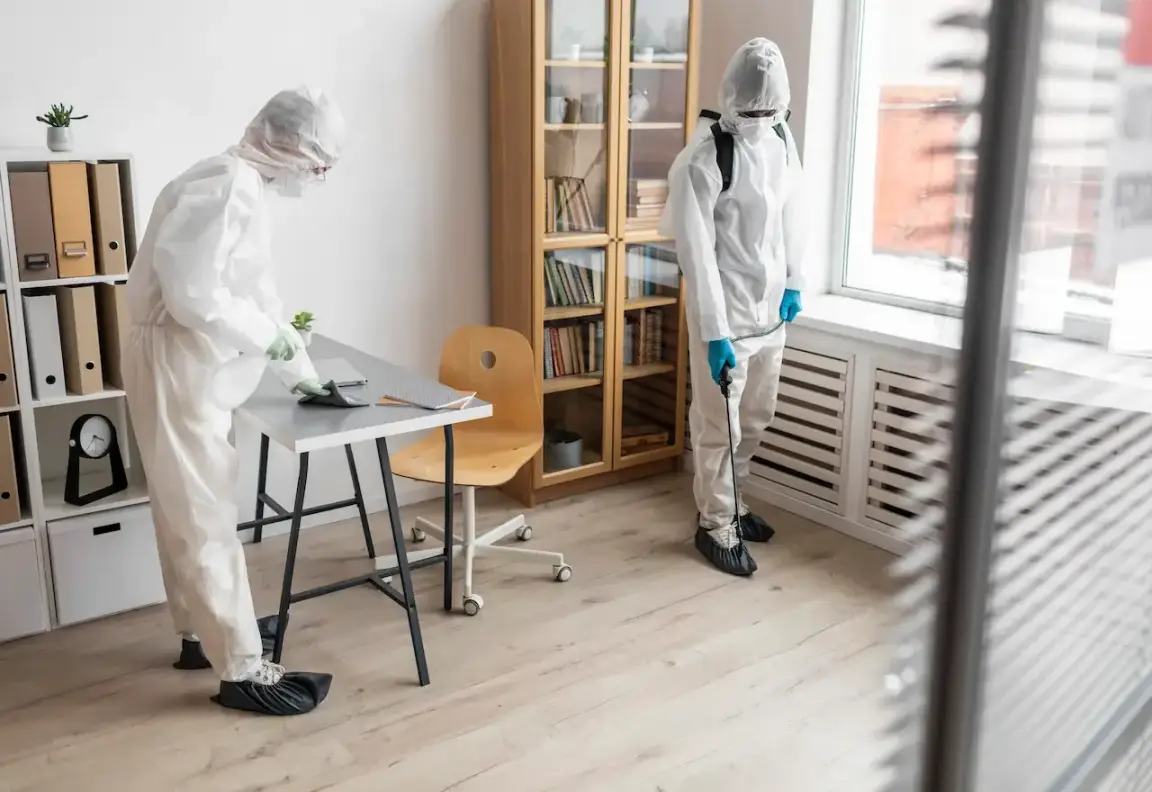
Biohazard cleanup in Portland can become one of the hardest property decisions an owner faces because the issue is rarely simple, cosmetic, or easy to price at first glance. A property may look like it only needs cleaning, but once potentially hazardous materials, strong contamination, sewage, sharps, or unsafe interior conditions are involved, the situation changes quickly. The owner is no longer deciding whether to repaint or replace flooring. They are deciding how much risk, cost, time, and uncertainty they are willing to carry before the property can be sold.
For many owners, the emotional weight is just as real as the financial one. The house may be inherited, tenant-occupied, abandoned, damaged, or left in a condition that feels overwhelming to walk into. A professional cleanup may be the right path in some cases, but selling the property as-is to an investor can also make sense when the owner does not want to manage remediation, repairs, inspections, and a traditional listing. The decision is not just about cleaning. It is about whether fixing the property first is truly worth what it will require.
What Counts as a Biohazard in a Property
A biohazard generally refers to biological material that can pose a health risk if it is handled without proper protection, training, or disposal procedures. In a residential property, that may include blood or other potentially infectious materials, sewage contamination, used needles or sharps, animal waste, pest-related contamination, or conditions where bacteria, viruses, or unsafe organic material may be present. OSHA’s guidance on bloodborne pathogen hazards helps explain why certain materials should not be treated like ordinary household mess.
For a property owner, the important point is not to diagnose every substance personally. The important point is recognizing when a house has moved beyond ordinary cleaning. A stained carpet, damaged bathroom, sewage backup, or abandoned rental may create uncertainty about what is safe to touch, remove, or repair. Once that uncertainty exists, the cleanup becomes more than a maintenance task. It becomes a safety and liability issue that can affect the entire selling strategy.
Why Biohazard Cleanup Can Become Expensive and Complicated
Biohazard cleanup can cost more than owners expect because the work often involves more than removing visible mess. A qualified cleanup may require protective equipment, containment, specialized disposal, odor treatment, surface removal, documentation, and follow-up repairs. If flooring, drywall, subflooring, cabinetry, or insulation has been affected, the cleanup can turn into a larger restoration project before the house is even ready for normal repairs.
That is where the situation can start to feel financially unpredictable. The first estimate may cover cleanup, but the property may still need replacement materials, contractor work, pest control, plumbing repairs, or ongoing odor remediation afterward. Oregon DEQ’s page on infectious waste management also reinforces that certain waste types require careful handling, which is one reason these situations can become more complex than a standard cleanout.
The Risk of Trying to Handle Cleanup Like a Normal Repair
Some property owners feel tempted to handle cleanup themselves because they want to save money or avoid calling multiple companies. That reaction is understandable, especially when the property is already costing money. But hazardous conditions are different from normal clutter, old paint, or worn carpet. Exposure risks, improper disposal, and incomplete cleanup can create more problems than the owner expected.
This matters because buyers, inspectors, and contractors may respond differently when they suspect unsafe contamination. A property that has not been properly cleaned may still raise concerns even after visible materials are gone. When people are working in affected spaces, the issue is not just appearance. It is whether the property can be handled safely, documented clearly, and brought into a condition that buyers, workers, or inspectors can trust.
When Sewage or Wastewater Changes the Property Decision
Sewage-related issues can be especially difficult because they affect both cleanup and habitability. A backup or wastewater problem can touch flooring, walls, personal belongings, and building systems, depending on how long the issue lasted and where it spread. Even after the visible issue is addressed, the owner may still be left with damaged materials, odors, and repair questions that affect how the home can be sold.
For sellers, that means the decision is not only whether the mess can be cleaned. It is whether they want to manage the entire process that follows. Cleanup may reveal hidden water damage, damaged materials, odor problems, or repair needs that make the house harder to prepare for the open market. If the owner already wanted a fast or simple sale, a sewage or contamination issue can make a traditional listing feel much less realistic.
Cleanup First vs. Selling As-Is
When a property has biohazard concerns, the decision usually comes down to how much time, money, and coordination the owner is willing to take on before selling. Cleanup can make sense in some cases, but it is not always the most practical path, especially when the contamination is only one part of a larger distressed property situation.
Cleaning First May Make Sense If
- The property is otherwise in solid condition and the biohazard issue is limited.
- The owner has the funds to pay for professional cleanup before listing.
- There is enough time to manage remediation, repairs, follow-up inspections, and contractor work.
- The expected resale value justifies the upfront cost and effort.
- The seller wants to list traditionally and is prepared for showings, inspections, and buyer negotiations.
In this path, the owner keeps more control over how the home is presented to the market. The tradeoff is that they also carry more responsibility. Cleanup may lead to additional repairs, and those repairs can delay the sale or reduce the final net profit if costs keep growing.
Selling As-Is May Make Sense If
- The property has more than one issue, such as biohazard concerns, repairs, belongings, tenant damage, or limited access.
- The owner does not want to coordinate cleanup companies, contractors, disposal, or restoration.
- The house feels unsafe, emotionally overwhelming, or too difficult to prepare for buyers.
- The seller needs a simpler timeline and fewer steps before closing.
- The goal is to move on from the property instead of turning it into a cleanup and renovation project.
In this path, the seller may not receive the same price as a fully cleaned and repaired retail property. The tradeoff is that they avoid the upfront expense, project management, repair risk, and uncertainty of preparing the home for the open market.
The Real Comparison
- Cleanup first: Higher possible resale value, but more upfront cost, time, coordination, and risk.
- Selling as-is: Lower likely sale price than a fully restored home, but fewer steps and less responsibility for the seller.
- Traditional listing: Works best when the home can be made safe, clean, accessible, and financeable.
- Investor purchase: Works best when the seller wants the property evaluated in its current condition.
- Best decision point: The right choice depends on whether cleanup increases the final net outcome enough to justify the effort.
For many owners, the question is not simply whether the property can be cleaned. It is whether cleaning first truly makes the sale better after factoring in cost, time, safety, repairs, and emotional strain.
How Cleanup Costs Can Affect the Real Sale Price
Many owners compare the potential retail sale price against an as-is offer without fully subtracting what it takes to reach that retail price. Cleanup is only the first line item. After that, the property may need flooring, drywall, plumbing, painting, odor treatment, junk removal, pest work, or general repairs. Then the seller may still face agent commissions, closing costs, buyer repair requests, and extra months of carrying costs.
That is why the real comparison should not be “cleaned-up price versus as-is price.” It should be “cleaned-up price after costs, delays, and risk versus a direct sale with fewer obligations.” When the numbers are viewed that way, selling as-is can become more reasonable than it first appears. The owner may receive less than a fully restored retail value, but they also avoid the uncertainty of getting the house from its current condition to that ideal version.
When Biohazard Cleanup Is Tied to Tenants, Inheritance, or Vacancy
Biohazard conditions often appear alongside other difficult property situations. A landlord may discover the problem after a tenant leaves. Adult children may inherit a house and realize the condition is worse than anyone understood. An owner may regain access after a long vacancy and find that cleanup is only one part of a much bigger problem. These situations can create emotional fatigue because the house feels like it keeps revealing new layers of work.
That is why this kind of property decision should be viewed in context. A clean, vacant, well-maintained house with one isolated issue is very different from a distressed property with repairs, belongings, legal questions, or occupancy problems. In the second case, selling as-is may protect the owner from turning one difficult discovery into months of project management. The goal is not always to maximize every possible dollar. Sometimes the goal is to stop the property from taking more time, money, and energy.
Why an Investor May Be the Simpler Path
An investor buyer can often look at a property differently than a traditional buyer. Instead of expecting the home to be cleaned, repaired, photographed, and shown in retail condition, the investor can evaluate the property with its current problems included. That does not mean the biohazard issue disappears. It means the seller does not have to personally coordinate every step before a sale can happen.
Better Off Home Buyers works with owners who are dealing with properties that no longer fit the traditional selling process. That may include homes needing major cleanup, houses with deferred repairs, inherited properties, rentals with damage, or situations where the seller simply does not want to handle one more contractor, estimate, or delay. A direct sale can create a cleaner decision point: sell the house as it is, move the responsibility into the transaction, and stop managing the problem alone.
When Selling As-Is Protects More Than the Property
A biohazard situation can make an owner feel stuck between two uncomfortable choices. Paying for cleanup may feel responsible, but it can also feel risky if the project keeps expanding. Selling as-is may feel like accepting less, but it can also reduce exposure to delays, ongoing costs, and emotional strain. The better path depends on the property, the owner’s resources, and how much more they are willing to handle.
That is why this decision should be treated as a practical risk comparison, not just a cleanup question. If the owner has the money, time, support, and emotional bandwidth to clean and repair first, that may be a reasonable route. If the property already feels like too much, selling as-is may be the option that protects the seller’s time and peace of mind.
A Cleaner Exit From a Complicated Property
Biohazard cleanup in Portland can be necessary, but it is not always the only path before selling. Some owners want to restore the property first, and that can make sense when the project is manageable. Others are facing a house where cleanup is only one piece of a much larger problem, and continuing to manage it may no longer be worth the cost.
Selling as-is does not mean ignoring the condition of the home. It means choosing a sale path that accounts for the condition from the beginning. The property can be evaluated honestly, the cleanup risk can be reflected in the offer, and the owner can move forward without trying to turn a difficult house into a polished listing first.
If you are facing biohazard cleanup, tenant damage, an inherited distressed property, or a house that feels unsafe or overwhelming to prepare for market, contact Better Off Home Buyers to talk through a direct as-is sale. We can look at the property, understand the situation, and help you decide whether selling as-is gives you the simpler and safer path forward.
Frequently Asked Questions
What counts as a biohazard in a house?
A biohazard may include blood, sewage, sharps, animal waste, or other materials that can create health risks if handled improperly.
Is biohazard cleanup required before selling a house?
Not always. Some sellers clean first, while others sell as-is to a buyer who understands the property’s condition.
Why can biohazard cleanup be expensive?
It can involve protective equipment, specialized disposal, material removal, odor treatment, repairs, and additional restoration after cleanup.
Can I sell a house as-is with biohazard issues?
Yes. Some cash buyers and investors may purchase properties as-is, including homes with cleanup or contamination concerns.
Is selling as-is better than paying for cleanup?
It depends on the cleanup cost, repair needs, timeline, and seller’s capacity to manage the project before listing.
Can Better Off Home Buyers buy a distressed property with cleanup needs?
Yes. Better Off Home Buyers can discuss properties with cleanup needs, repairs, tenant damage, or other distressed conditions.